

Sometimes plumbing can seem confusing, especially when a sink suddenly starts draining slowly or leaking underneath. One important part of your plumbing system that many homeowners overlook is the P-trap. Located beneath most kitchen and bathroom sinks, this curved section of pipe plays a major role in keeping your plumbing system working properly.
At Henry Plumbing, we help homeowners throughout Savannah, Pooler, Richmond Hill, Tybee Island, and surrounding Coastal Georgia communities diagnose and repair clogged drains and leaking sink pipes.
What Is a P-Trap?
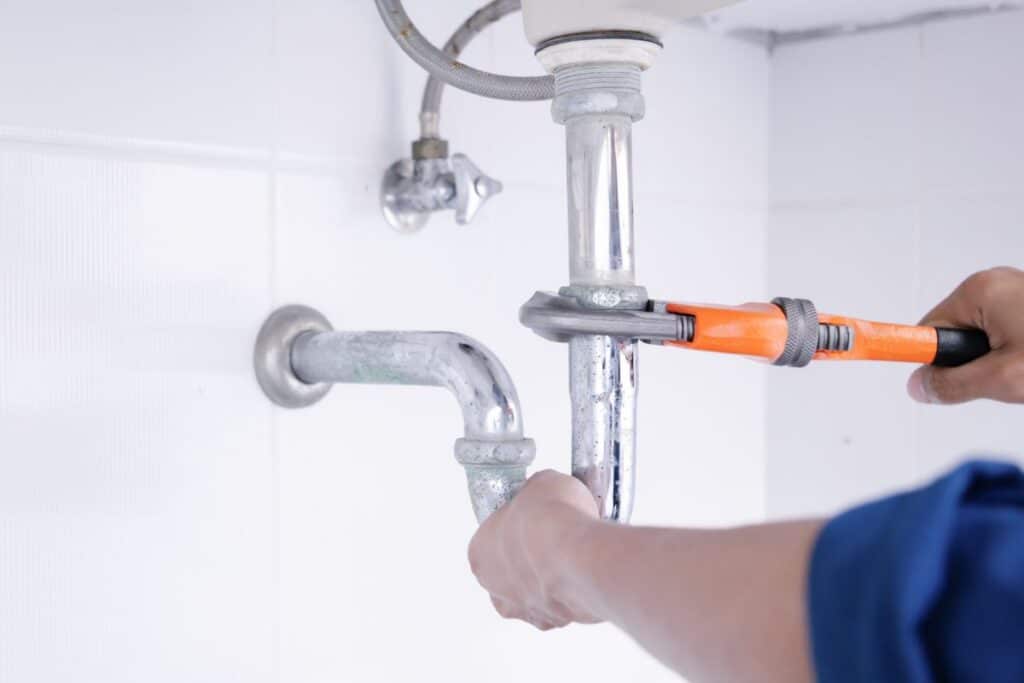
The P-trap is the curved pipe beneath your sink that holds a small amount of standing water. While it may seem simple, it serves an important purpose.
The water trapped inside the bend helps block sewer gases from traveling back into your home through the drain system. Without a functioning P-trap, unpleasant odors could enter your kitchen or bathroom.
P-traps can also help catch small objects accidentally dropped into the drain, like jewelry or small personal items, before they disappear deeper into the plumbing system.
How P-Traps Help With Clogged Drains
Because of the curved design, the P-trap is also one of the most common places for clogs to form. Grease, soap residue, hair, food particles, and debris can gradually collect inside the bend and slow water flow.
If your sink is draining slowly, the clog may be located directly inside the P-trap.
Common signs of a P-trap problem include:
• Slow drainage
• Water leaking under the sink
• Gurgling noises
• Bad odors from the drain
• Frequent sink backups
Simple P-Trap Troubleshooting Tips
Some minor sink drain problems can sometimes be resolved by inspecting the P-trap.
Check for Leaks
Many sink P-traps use slip joint connections that can loosen over time. In some cases, tightening the connections may stop a small drip.
If the washers inside the connections appear worn or damaged, they may need replacement.
Inspect for Blockages
If the sink is draining slowly, debris may be trapped inside the curve of the pipe. Before removing any plumbing components, place a small bucket underneath the trap to catch water that may spill out.
Always use caution when working around plumbing connections.
What Are P-Traps Made From?
Modern P-traps are commonly made from:
• PVC
• ABS plastic
• Brass
• Copper
• Chrome-plated metal
Plastic P-traps are common beneath residential sinks because they are affordable and relatively easy to replace. Metal drain assemblies may require more specialized tools and professional repair methods.
Avoid Flexible Drain Kits
Some replacement kits include flexible accordion-style drain components designed to make installation easier. While convenient, these ridged pipes can trap debris more easily and contribute to recurring clogs.
Many professional plumbers recommend using smooth-walled drain piping whenever possible for better long-term drainage performance.
When to Call a Professional Plumber
If your drain continues clogging, leaks persist, or the plumbing beneath your sink appears corroded or damaged, professional plumbing service may be the best solution.
At Henry Plumbing, we provide clogged drain repair, sink plumbing services, and drain inspections throughout the Savannah area. Whether you’re dealing with a leaking P-trap, recurring drain backups, or damaged pipes, our experienced team is here to help keep your plumbing system flowing properly.