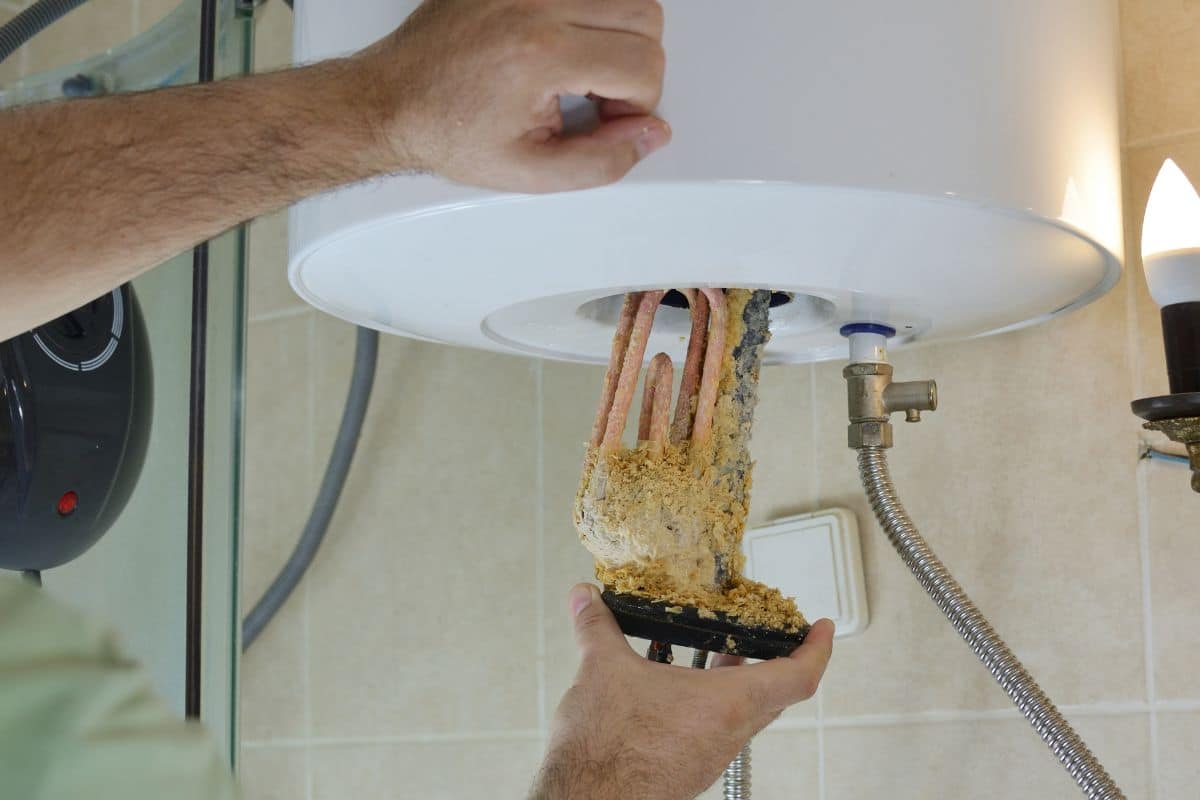


Your water heater is one of the hardest-working appliances in your home, providing hot water for showers, laundry, dishes, and everyday household tasks. Over time, minerals and sediment naturally settle inside the tank, creating buildup that can impact efficiency and place additional strain on the system.
If left unchecked, sediment buildup can lead to reduced hot water capacity, unusual noises, higher energy bills, and even premature water heater failure.
Routine water heater flushing helps remove that buildup, improve performance, and extend the lifespan of the unit. For many homeowners, it’s one of the simplest preventative maintenance steps you can take to help avoid costly plumbing problems later on.
Why Water Heater Flushing Is Important
As your water heater heats water, minerals naturally settle at the bottom of the tank. Over time, that sediment layer can become thicker and create several problems.
Sediment buildup can also place additional strain on heating elements and internal components, potentially leading to costly repairs or premature replacement.
How Often Should You Flush a Water Heater?
Most homeowners should flush their water heater about once per year as part of regular plumbing maintenance. Homes with harder water may benefit from more frequent flushing to help reduce mineral buildup.
Tankless water heaters also require periodic maintenance and descaling, although the process differs from traditional tank-style systems.
Steps for Flushing a Water Heater
Before beginning, always review your manufacturer’s instructions and safety recommendations. If you’re uncomfortable working around plumbing systems, hot water, or gas and electrical connections, it’s best to contact a licensed plumber.
Step 1: Turn Off the Power or Gas
For electric water heaters, turn off power to the unit at the breaker panel.
For gas water heaters, switch the gas control valve to the pilot setting.
This helps prevent damage to the system while the tank is being drained.
Step 2: Turn Off the Cold Water Supply
Locate the cold water shut-off valve above the water heater and turn it off to stop additional water from entering the tank.
Step 3: Connect a Hose to the Drain Valve
Attach a garden hose to the drain valve located near the bottom of the tank. Place the other end of the hose somewhere safe where hot water can drain, such as a floor drain or exterior area.
Be cautious because the water inside the tank may still be very hot.
Step 4: Open a Hot Water Faucet
Open a nearby hot water faucet inside the home to help relieve pressure and allow the tank to drain more easily.
Step 5: Drain the Tank
Carefully open the drain valve and allow the tank to empty completely. Water may appear cloudy or contain sediment during the flushing process.
Some homeowners briefly turn the cold water supply back on after draining to help stir up and remove any remaining sediment.
Step 6: Refill the Tank
Once the water runs clear, close the drain valve, disconnect the hose, and turn the cold water supply back on.
Allow the tank to refill fully before restoring power or turning the gas back to normal operation.
Step 7: Restore Power or Gas
After the tank is completely full and air has cleared from the lines, restore electrical power or relight the gas system according to manufacturer instructions.
Signs Your Water Heater May Need Maintenance
In some cases, flushing alone may not resolve existing problems. You may want to contact a plumber if you notice:
- Inconsistent hot water
- Rust-colored water
- Water heater leaks
- Unusual noises
- Rising energy bills
- Low hot water pressure
- Water taking too long to heat
These symptoms could indicate sediment buildup, aging components, or a failing water heater.
Professional Water Heater Maintenance in Savannah, GA
Regular maintenance can help improve water heater performance and reduce the risk of unexpected breakdowns. At Henry Plumbing, we provide water heater flushing, maintenance, repairs, installations, and tankless water heater services throughout Savannah, GA and surrounding communities.
Whether you need routine maintenance or a full water heater replacement, our experienced plumbing team is here to help.
Frequently Asked Questions
Is flushing a water heater necessary?
Yes. Flushing helps remove sediment buildup that can reduce efficiency and shorten the lifespan of the system.
How long does it take to flush a water heater?
A standard water heater flush typically takes about 30 minutes to an hour depending on the amount of sediment buildup and the size of the tank.
Can sediment damage a water heater?
Yes. Excessive sediment buildup can cause overheating, strange noises, reduced efficiency, and increased wear on the tank and heating components.
Do tankless water heaters need maintenance too?
Yes. Tankless water heaters should be professionally descaled and maintained periodically to help prevent mineral buildup and maintain efficiency.