


When was the last time you had your water heater flushed?
Last year? A few years ago? Never?
Or maybe you’re thinking, “Wait… I’m supposed to flush my water heater?”
You’re definitely not the only homeowner who forgets about water heater maintenance. Water heaters tend to stay out of sight and out of mind, quietly providing hot water for showers, dishes, laundry, and cleaning every day.
Until they don’t.
At Henry Plumbing, we’ve been working on plumbing systems in Savannah-area homes since 1968, from older properties with decades of plumbing history to newer construction with modern water-heating systems. One thing we’ve learned over the years is that small maintenance issues can turn into much bigger problems when they’re ignored.
For traditional tank-style water heaters, sediment buildup is one of those issues.
What Builds Up Inside a Water Heater?
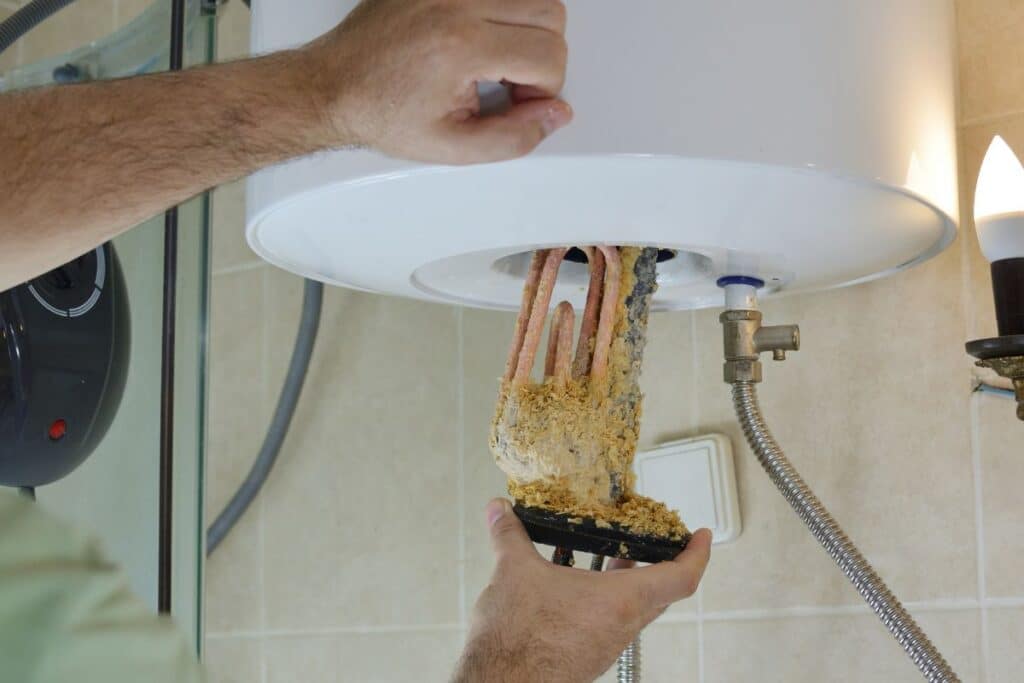
Water naturally contains minerals and small amounts of sediment. Over time, some of those materials can settle at the bottom of a traditional tank water heater.
As the buildup grows, the water heater may have to work through that layer of sediment to heat the water in the tank.
That can contribute to:
- Reduced operating efficiency
- Popping, cracking, or rumbling sounds
- Additional wear on water heater components
- Less consistent hot water
- Problems with the drain valve
- A shorter useful life for the system
The amount of sediment buildup varies from home to home depending on water quality, household usage, the age of the water heater, and how often it has been maintained.
From the Field: What Our Plumbers Look For
When one of our plumbers inspects a water heater, we’re not simply looking at whether hot water comes out of the faucet.
We’re looking at the overall condition of the system.
That can include checking for:
- Sediment buildup
- Corrosion around the tank or connections
- Signs of leaking
- Unusual noises
- Problems with the drain valve
- Improper installation or venting
- Aging components
- Changes in hot water performance
- Sometimes homeowners call because the water heater is making noise. Other times, they notice they aren’t getting as much hot water as they used to.
And sometimes there are no obvious symptoms at all.
That’s one reason preventive maintenance matters. It gives us a chance to look at what’s happening before the water heater stops working altogether.
Why Is My Water Heater Making a Popping or Rumbling Noise?
One of the most common questions homeowners ask us is why their water heater suddenly sounds like it has something rattling around inside.
Popping, cracking, or rumbling noises can sometimes be caused by sediment buildup at the bottom of the tank.
As water heats around or underneath that sediment, steam bubbles can form and escape through the buildup, creating the sounds you hear.
A noisy water heater does not automatically mean the tank is about to fail.
But it does mean the system is worth checking.
Henry Plumbing’s Take
If your water heater has started making noises it never made before, don’t ignore them simply because the hot water is still working.
Changes in how a plumbing system sounds or performs are often the first clue that something has changed inside the system.
What Does Flushing a Water Heater Do?
Flushing a traditional tank-style water heater involves draining water from the tank to help remove sediment and mineral deposits that have accumulated inside.
When flushing is appropriate for the system, it can help:
- Remove accumulated sediment
- Support efficient operation
- Reduce unnecessary stress on the water heater
- Address some sediment-related noises
- Help maintain consistent hot water
- Give a plumber an opportunity to identify developing problems
It’s similar to preventive maintenance on a vehicle. You don’t wait for the engine to fail before thinking about an oil change.
Your water heater benefits from regular attention, too.
How Often Should You Flush a Water Heater?
There isn’t one maintenance schedule that works perfectly for every water heater.
How often a tank should be flushed depends on factors such as:
- The manufacturer’s recommendations
- The age of the water heater
- The amount of sediment in the water
- How much hot water the household uses
- Previous maintenance
- The overall condition of the system
If you don’t know when your water heater was last serviced, an inspection is a good place to start.
Ask Henry: Should You Flush an Older Water Heater?
This is where experience matters.
If you have an older water heater that hasn’t been maintained or flushed in many years, we don’t recommend automatically connecting a garden hose and draining it without first considering the condition of the tank.
Years of sediment, corrosion, and normal deterioration can affect the water heater and its drain valve.
In some cases, draining a severely neglected older tank may reveal an existing weakness or problem that wasn’t obvious beforehand.
Henry Plumbing’s Take
Flushing isn’t automatically the right choice for every older water heater.
Before servicing a neglected tank, we want to know:
- How old is the water heater?
- Has it ever been flushed?
- Is there visible corrosion?
- Is the drain valve in good condition?
- Are there signs of leaking?
Is the tank already approaching the end of its expected service life?
Sometimes maintenance is appropriate.
Sometimes the better recommendation is to leave the system alone and begin planning for replacement.
That decision should be based on the actual condition of the water heater, not a generic maintenance checklist.
What Savannah Homeowners Should Know About Water Heater Maintenance
Savannah has a mix of historic homes, mid-century houses, renovations, additions, and newer construction.
That means we encounter a wide range of plumbing systems.
A water heater in a recently built home may have a completely different maintenance history from one installed years ago during a renovation of an older Savannah property.
The age of the house doesn’t necessarily tell us the age or condition of the water heater, either.
That’s why we look at the system in front of us.
When servicing water heaters in Savannah-area homes, our plumbers consider the age of the equipment, the plumbing around it, previous repairs, installation conditions, and the signs the water heater is giving us.
There is rarely a substitute for actually inspecting the system.
Signs Your Water Heater May Need Service
You may want to have your water heater checked if you notice:
Popping, cracking, or rumbling noises
Sediment buildup is one possible cause.
Less hot water than before
A noticeable decline in hot water capacity deserves attention.
Inconsistent water temperature
If water temperatures fluctuate unexpectedly, there may be a problem with the water heater or its components.
Rust or corrosion
Visible corrosion around fittings, pipes, valves, or the tank itself should not be ignored.
Water around the base of the tank
Even a small amount of moisture can be important. Water heaters do not improve with leaking.
You have no idea when it was last serviced
If the answer is “I honestly don’t know,” that’s a good reason to have someone take a look.
Can You Flush a Water Heater Yourself?
Some homeowners do flush their own water heaters.
But before you make it a weekend DIY project, remember what you’re working with: very hot water, pressurized plumbing, a drain valve, and either a gas or electrical system.
Problems can arise when a valve doesn’t close properly, fittings are corroded, or an older water heater has gone years without maintenance.
If you don’t know the age or maintenance history of your water heater, having it inspected first can save you from turning routine maintenance into an emergency service call.
Don’t Wait Until There’s No Hot Water
Water heaters have an unfortunate habit of becoming extremely important at the exact moment they stop working.
Suddenly, the morning shower, laundry, dishes, and everything else involving hot water becomes complicated.
Preventive water heater maintenance gives you a chance to spot problems earlier and understand the condition of the equipment your household relies on every day.
Water Heater Flushing FAQs
Does flushing a water heater remove sediment?
Flushing a traditional tank-style water heater can help remove sediment and mineral deposits that have accumulated inside the tank. The amount that can be removed depends on the condition and amount of buildup.
How do I know if my water heater has sediment?
Possible signs include popping or rumbling noises, reduced hot water capacity, slower recovery, or changes in the way the water heater operates. An inspection can help determine whether sediment is contributing to the problem.
Can sediment damage a water heater?
Heavy sediment buildup can interfere with normal operation and may contribute to additional wear on components over time.
Should an old water heater be flushed?
Not automatically. An older water heater that has gone many years without maintenance should be evaluated before it is drained or flushed.
How often should a water heater be serviced?
The maintenance schedule depends on the manufacturer, water quality, usage, age of the system, and its condition. Check the manufacturer’s recommendations or ask a plumber to evaluate your water heater.
Do tankless water heaters need maintenance?
Yes. Tankless water heaters require maintenance too, although the process is different from flushing a traditional storage tank. Mineral scale can accumulate inside a tankless system, so maintenance should follow the manufacturer’s recommendations.
When Was Your Water Heater Last Checked?
If you can’t remember, that may be your answer.
Henry Plumbing has served Savannah-area homeowners since 1968, working on plumbing systems in historic properties, established neighborhoods, and newer homes throughout the area.
Our team can inspect your water heater, evaluate its age and condition, look for sediment, corrosion, leaks, or other warning signs, and recommend the maintenance that makes sense for your particular system.
Call Henry Plumbing at 912-352-9827 to schedule water heater service.
Because finding out your water heater has a problem at 6:30 in the morning, with shampoo already in your hair, is not anyone’s preferred plumbing diagnosis.