
Not every plumbing issue requires an emergency service call. While major leaks, sewer problems, and water heater failures should always be handled by a professional plumber, there are a few simple plumbing maintenance tasks homeowners can safely handle on their own.
Knowing a few basic DIY plumbing tips can help homeowners in Savannah prevent common plumbing problems, reduce water waste, and keep household plumbing systems operating more efficiently.
Know Where Your Main Water Shut-Off Valve Is
One of the most important things every homeowner should know is the location of the home’s main water shut-off valve. In the event of a burst pipe or major plumbing leak, shutting off the water quickly can help minimize water damage.
If you’re unsure where the shut-off valve is located, now is a good time to locate it before an emergency happens.
Avoid Chemical Drain Cleaners
When drains slow down, many homeowners reach for chemical drain cleaners. Unfortunately, harsh drain cleaning chemicals can sometimes damage pipes over time, especially in older plumbing systems.
Instead, try safer alternatives such as:
- Using a plunger
- Removing visible debris manually
- Flushing drains with hot water
- Using a drain snake carefully
Recurring drain clogs may indicate a larger plumbing or sewer issue that requires professional attention.
Check for Plumbing Leaks Regularly
Small leaks often go unnoticed until they create larger and more expensive problems. Periodically checking under sinks, around toilets, behind appliances, and near the water heater can help homeowners catch plumbing leaks early.
Signs of a hidden leak may include:
- Higher water bills
- Damp cabinets or flooring
- Mold or mildew odors
- Water stains
- Reduced water pressure
Early leak detection can help prevent costly water damage.
Be Careful What Goes Down the Drain
Kitchen and bathroom drains are designed for water and normal household use, but certain materials can quickly create clogs.
Avoid putting these items down drains:
- Grease or cooking oil
- Coffee grounds
- Pasta or rice
- Paper towels
- “Flushable” wipes
- Hair buildup
Even products labeled as flushable can contribute to plumbing and sewer backups.
Flush Your Water Heater Periodically
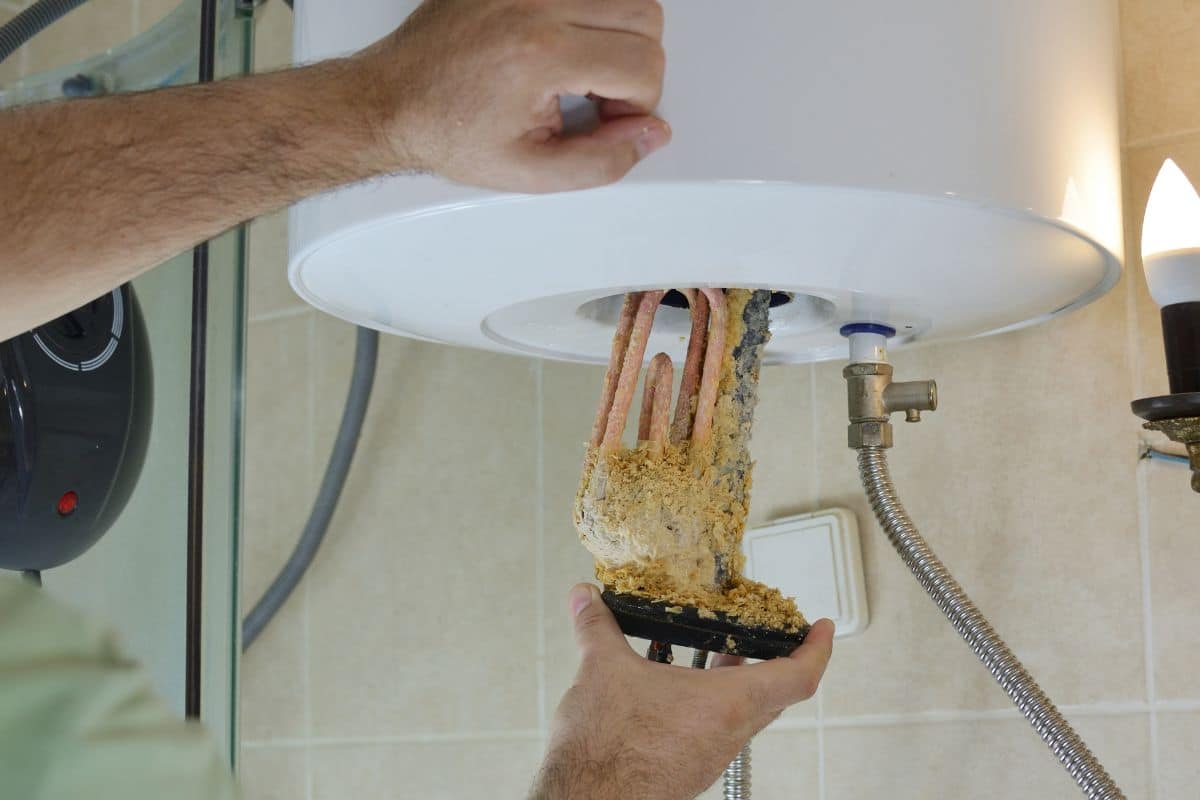
Over time, sediment can build up inside a water heater tank, especially in areas with mineral-heavy water. Flushing the water heater periodically may help improve efficiency and extend the lifespan of the system.
If you notice rumbling noises, inconsistent hot water, or signs of corrosion, it may be time for professional maintenance or replacement.
Don’t Ignore Small Plumbing Problems
Minor plumbing issues rarely improve on their own. A dripping faucet, slow drain, or small leak can eventually lead to bigger repairs if left untreated.
Addressing plumbing concerns early is often less expensive and helps prevent larger damage to the home.
At Henry Plumbing, we help homeowners throughout Savannah and surrounding communities with plumbing repairs, leak detection, drain cleaning, water heater services, and whole-home plumbing inspections. When DIY plumbing solutions are no longer enough, our team is ready to help.