
Whether you’re buying a home, selling a property, remodeling, or simply trying to prevent future plumbing problems, a plumbing inspection can provide valuable insight into the condition of your system.
Many plumbing issues develop quietly behind walls, under floors, or underground long before homeowners notice warning signs. A professional inspection helps identify potential concerns early before they become larger and more expensive repairs.
Here’s what homeowners can typically expect during a plumbing inspection.
Why Plumbing Inspections Matter
Your plumbing system is one of the most heavily used systems in your home. Pipes, fixtures, water heaters, drains, and sewer lines all experience wear over time.
A plumbing inspection can help uncover:
- Hidden leaks
- Corroded pipes
- Water pressure issues
- Drain or sewer concerns
- Aging plumbing components
- Water heater problems
- Plumbing code concerns
- Signs of future repair needs
Inspections are especially helpful during real estate transactions or in older homes where plumbing systems may not have been updated recently.
What a Plumber Will Typically Check
During a plumbing inspection, a licensed plumber will evaluate several areas throughout the home to identify visible issues and overall system performance.
This often includes inspecting:
- Faucets and fixtures
- Toilets and drains
- Water supply lines
- Shut-off valves
- Water heaters
- Garbage disposals
- Hose bibs and outdoor plumbing
- Pipe connections
- Visible leaks or corrosion
The plumber may also test water pressure, drainage flow, and fixture operation throughout the property.
Water Heater Inspection
Water heaters are a common focus during plumbing inspections because problems can develop gradually over time.
The inspection may include checking:
- Tank condition
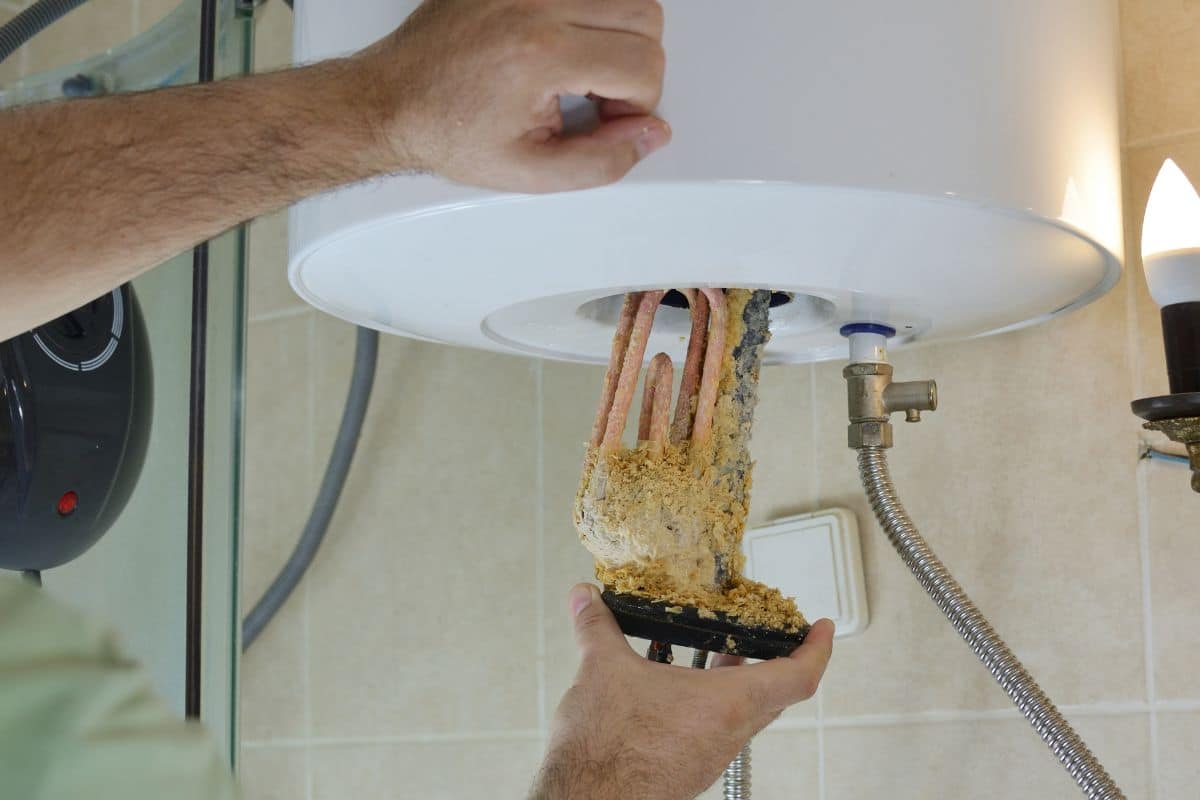
- Signs of corrosion or leaks
- Temperature and pressure relief valve
- Venting connections
- Sediment buildup
- Overall age and performance
If the system is older, the plumber may discuss maintenance recommendations or potential replacement timelines.
Sewer and Drain Concerns
If slow drains, backups, or recurring clogs are present, additional drain or sewer evaluations may be recommended. In some cases, plumbers may suggest a sewer camera inspection to look for root intrusion, pipe damage, or blockages underground.
What Happens After the Inspection?
After the inspection is complete, the plumber will typically review any findings, explain recommended repairs if needed, and answer questions about the condition of the plumbing system.
Some issues may require immediate attention, while others may simply be things to monitor over time.
At Henry Plumbing, our team provides plumbing inspections for homeowners and businesses throughout Savannah and surrounding communities. From routine evaluations to real estate plumbing inspections, we help identify problems early and keep plumbing systems operating reliably.